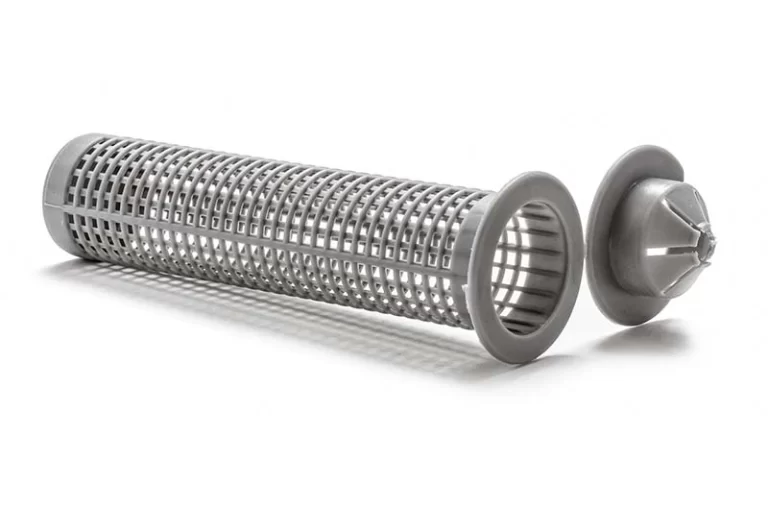

Perforated Sleeve - Go-To Solution for Secure Anchoring in Hollow Materials
When you’re working on a construction project that involves fixing into hollow bricks, blocks, or other porous surfaces, finding the right anchoring system can make all the difference. That’s where the perforated sleeve comes in – a simple yet ingenious tool designed to ensure your fixings are rock-solid and long-lasting. Whether you’re a professional builder, a DIY enthusiast, or managing a larger installation job, understanding how these sleeves work can help you achieve better results every time.
What is a Perforated Sleeve?
A perforated sleeve, often made from durable plastic or nylon, is essentially a tubular insert with multiple small holes along its length. These holes allow resin or chemical anchor mortar to flow out evenly, creating a strong bond within hollow or voided materials like perforated bricks, aerated concrete, or cavity walls. Unlike solid anchors that might not hold well in such substrates, this design distributes the adhesive effectively, preventing it from just pooling in one spot.
Think of it as a sieve-like container that holds the threaded rod or bolt in place while the resin cures. It’s commonly used with injection mortars, making it an essential accessory for chemical anchoring systems.
Why Choose Perforated Sleeves for Your Projects?
There are plenty of reasons why perforated anchor sleeves have become a staple in modern construction:
- Enhanced Stability: The perforations ensure the resin expands and fills voids, providing superior load-bearing capacity compared to traditional mechanical anchors.
- Versatility: Suitable for a wide range of applications, from installing handrails and shelves in masonry walls to securing heavy machinery in industrial settings.
- Ease of Use: No special tools required beyond a standard drill and injection gun. Simply insert the sleeve into the drilled hole, add the resin, and push in your fixing element.
- Cost-Effective: By improving the efficiency of your anchoring, these sleeves reduce material waste and the need for rework, saving you time and money.
- Durability: Made from high-quality materials resistant to chemicals and environmental factors, they stand up to tough conditions.
If you’ve ever dealt with crumbling brickwork or unreliable fixings, switching to a perforated masonry sleeve can transform your experience. It’s all about getting that even distribution for a hold you can trust.
How to Install a Perforated Sleeve Step by Step
Installing one of these isn’t complicated, but following the right steps ensures the best outcome. Here’s a straightforward guide:
- Prepare the Surface: Clean the area and drill a hole to the recommended diameter and depth for your anchor size. For hollow bricks, aim for a hole that accommodates the sleeve snugly.
- Insert the Sleeve: Push the plastic sieve sleeve into the hole until it’s flush with the surface or as specified.
- Inject the Resin: Using a compatible chemical anchor cartridge, fill the sleeve with mortar through the perforations. Start from the bottom to avoid air pockets.
- Add the Fixing: Insert your threaded rod, bolt, or rebar while the resin is still wet. Twist it slightly to ensure full contact.
- Cure and Test: Allow the recommended curing time – usually 30 minutes to a few hours, depending on temperature – then test the fixing for stability.
Always check the manufacturer’s guidelines for your specific injection sleeve and resin combo to avoid any mishaps. Safety first: wear gloves and eye protection when handling chemicals.
Specifications and Sizes Available
Perforated sleeves come in various sizes to match different anchor diameters and hole depths. Common options include:
- Diameter: 12mm, 15mm, 16mm, 20mm
- Length: 50mm, 85mm, 100mm, 130mm
- Material: High-density polyethylene (HDPE) or nylon for corrosion resistance
- Pack Sizes: Sold in bundles of 5, 10, or 50 for convenience
For example, a 15x85mm perforated plastic sleeve is ideal for M10 threaded rods in standard hollow block applications. If you’re unsure about the right size, consider the load requirements and substrate type – lighter duties might need smaller sleeves, while heavy loads call for longer ones.
Related Products and Accessories
To get the most out of your perforated anchor sleeves, pair them with these essentials:
- Chemical Resins: Epoxy or polyester-based mortars for fast curing and high strength.
- Threaded Rods: Zinc-plated or stainless steel options for indoor and outdoor use.
- Mixing Nozzles: Ensure proper blending of two-component resins.
- Hole Cleaning Brushes: Remove dust and debris for better adhesion.
Looking for alternatives? Solid wall anchors or metal perforated sleeves might suit denser materials, but for hollow substrates, the plastic version reigns supreme.
Over 15+ Years Of Experience
Request a Quote Or Sample
Engineerswiremesh.
We are manufacturers of perforated strainers, perforated sheets, perforated filter discs and many more products. 🔵 Talk to our technical team today. 🔵 Request a sample or a quick quote.